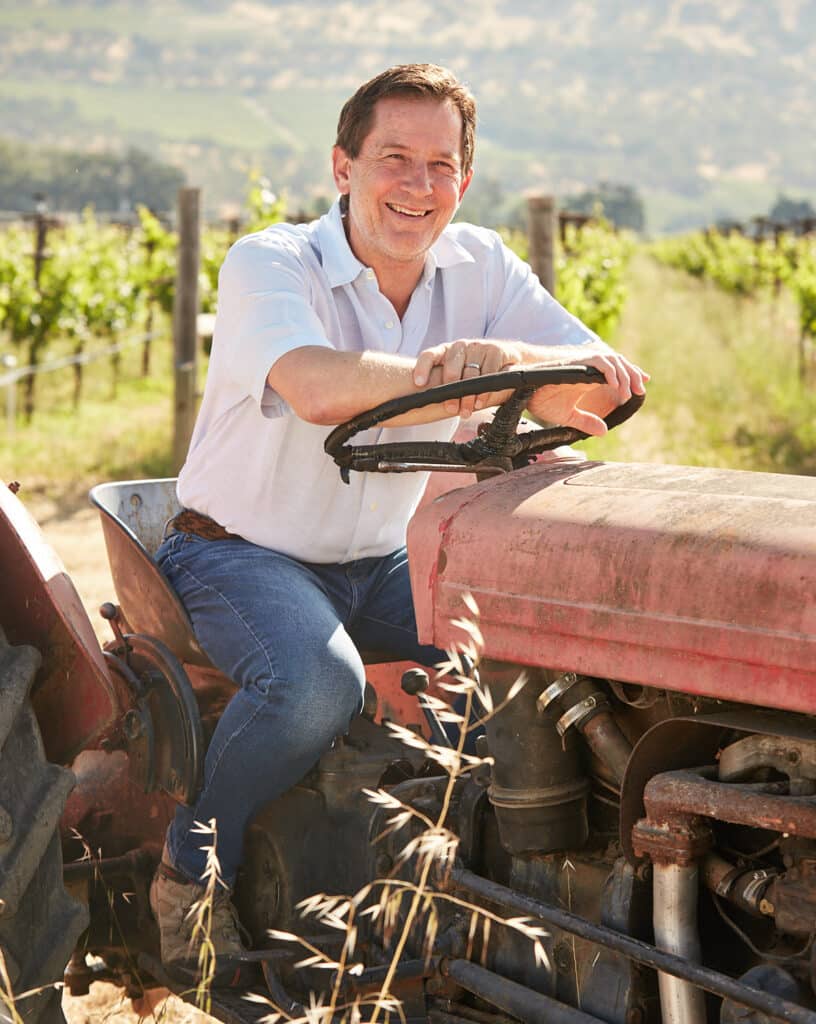
The wine industry entered 2026 with a mix of apprehension and cautious optimism. Sales across many key markets remain uneven, and as Michael Honig of Honig Vineyard & Winery recently noted in a message to industry peers, “the wine business did not improve in 2025.” His observation echoes what many of us have seen over the past year — a sector defined by disparity, resilience, and an urgent need to reconnect with consumers.
A few weeks ago, Honig reached out to wine writers across the country to ask for their candid perspectives on the challenges facing the industry. The responses he received reflect the complexity of today’s market but also point toward potential strategies for revitalization.
I had a chance to see some of the key input that Michael received:
- Reduced Socialization: Wine has always been a social beverage, dependent on connection, conversation, and community. As several respondents noted, consumption declines when people gather less often in person. The post-pandemic lifestyle — a blend of remote work, digital interaction, and decreased dining out — has diluted traditional occasions for wine.
- The Price Problem: Many writers echoed concern that California wine, particularly from Napa and Sonoma, has become too costly for everyday consumers. Value-driven drinkers are increasingly exploring European regions offering affordable quality. The result is a growing gap between aspirational luxury and accessible enjoyment.
- Generational Shifts: Younger consumers present both a challenge and an opportunity. While millennials may grow into higher spending patterns, Gen Z is approaching alcohol more cautiously, driven by economic pressures and wellness priorities. Without a clear narrative that connects wine to their values, the category risks irrelevance among future consumers.
- Industry Honesty: There’s a growing consensus that the wine industry must embrace more transparency around pricing and vintage quality. The habit of calling every vintage “exceptional” erodes trust. Acknowledging the realities of farming, weather, and market conditions could help modern wineries appear more authentic.
- A Perfect Storm of Headwinds: The rise of cocktails, hard seltzers, and the “sober curious” movement, compounded by global health messaging from the WHO, have created intense competition. The challenge isn’t just in selling more wine — it’s in redefining how wine fits into a modern, mindful lifestyle.
- The Long View: Despite short-term pressure, history offers reassurance. As one veteran writer reminded Honig, wine has survived cycles far more dramatic than this. Over the long run, quality producers with strong stories and consistent integrity will endure.
Disparities by Market
Honig also highlighted a striking geographic split. States like Texas, Oklahoma, and Alabama continue to see relatively steady consumption, while major coastal and urban markets like New York and Kentucky show sharper declines. The reasons appear to combine cultural and economic dynamics — community-driven social patterns, lower costs of living, and possibly more personal relationships between retailers and consumers all seem to help smaller markets remain resilient.
Finding a Path Forward
From a marketing and communication perspective, the solutions may lie in revisiting the fundamentals — storytelling, accessibility, and authenticity. Consumers respond to real human connection and brands that reflect honesty as much as luxury. The future of wine may belong not to those who outspend on image, but to those who out-communicate on meaning.
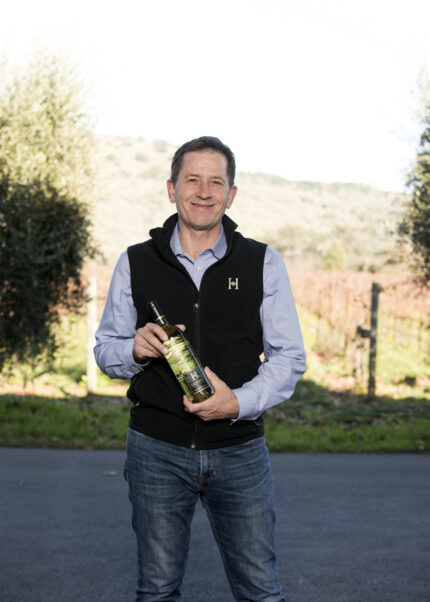
As Honig concluded, “Great wine has a way of bringing people together, and that will never go out of style.” That timeless truth remains the foundation on which the industry must rebuild — one conversation, one glass, and one gathering at a time.